
Allotment Gardens in Germany: The Schrebergarten
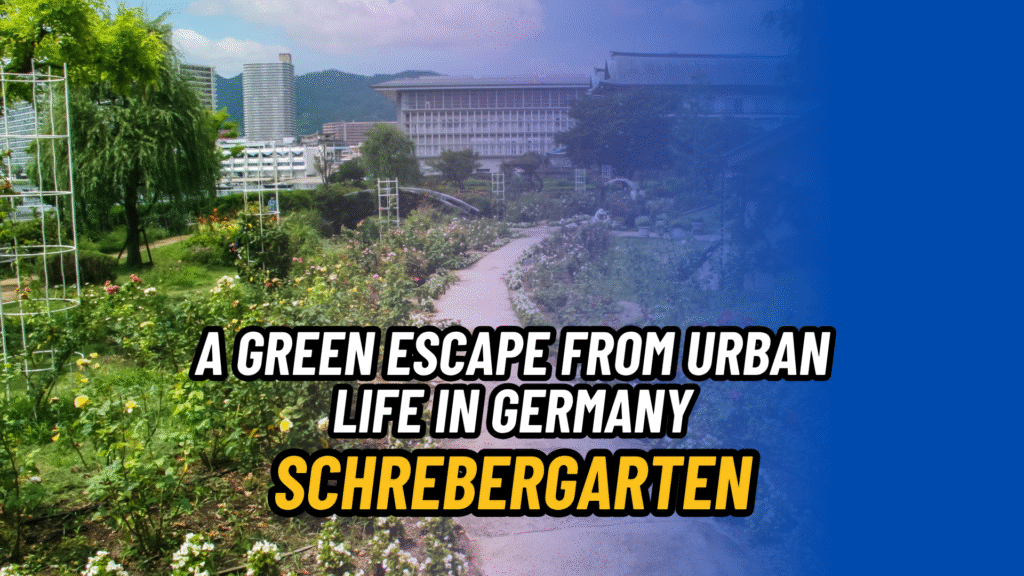
Walking through Germany’s gray buildings and orderly streets, you may occasionally find yourself in a hidden world of lined-up small cabins, rising smoke, and colorful flowers. This is the world of the Schrebergarten—officially known as a Kleingarten—an integral part of German culture.
If you’re someone who says, “I want to grow my own tomatoes and touch the soil on weekends,” you might wonder how to access these green heavens. But be warned: this isn’t just about renting a plot of land; it’s about joining a community and a set of rules.
The Origins of Schrebergarten Dating back to the 19th century and named after Dr. Moritz Schreber, these gardens were originally designed to give urban children fresh air and allow low-income families to grow their own food. Today, they have evolved into social spaces where people of all ages and nationalities gather, maintaining ecological balance.
There are approximately one million allotment gardens across Germany. These areas are usually public land (owned by the municipality) but are leased to individuals through associations called Kleingartenverein.
The Rental Process
Renting a garden in Germany requires patience and following specific procedures:
-
Identify a Local Association: Gardens are managed by local clubs. If you live in Duisburg, search for “Duisburg Kleingartenvereine.” Choosing one near your home is best for maintenance and accessibility.
-
Waiting Lists: Demand is high in big cities. You will likely need to apply for the Warteliste (waiting list). Depending on the location, this can take anywhere from a few months to several years.
-
Membership: To rent a plot, you must become a member of the association. This gives you a say in club decisions and access to community events.
Costs and the Concept of “Ablöse”
The biggest cost is usually the Ablöse (transfer fee). In this system, you lease the “ground,” but the cabin, trees, and improvements belong to the previous tenant.
-
Valuation (Wertermittlung): The previous tenant cannot set a random price. Independent evaluators assess the garden and set a fair price, usually amounting to a few thousand Euros.
-
Annual Expenses: Lease (Pacht), water, electricity, insurance, and club fees usually add up to a reasonable annual budget (a few hundred Euros).
Gardening Rules and Responsibilities
A Schrebergarten is not just for lounging. The Bundeskleingartengesetz (Federal Allotment Garden Act) sets strict guidelines:
-
Production Requirement: A certain portion (usually one-third) must be used for growing fruits, vegetables, or herbs. You cannot just have a lawn and a sunbed.
-
Cabin Size: The garden shed (Laube) generally cannot exceed 24 .
-
No Permanent Residency: These are not “weekend homes” or residences. While staying overnight might be tolerated in summer, living there permanently is illegal.
-
Community Work (Gemeinschaftsarbeit): Members are required to work a few hours a year on communal areas like paths and fences.
Why Should You Get a Schrebergarten? Don’t let the rules scare you. The benefits are worth the effort:
-
Organic Food: Nothing beats the taste of your own harvest.
-
Social Circle: The bonds you form with neighbors are a great way to socialize, especially for expats.
-
Space for Children: It’s a unique experience for city kids to learn about nature and play in the dirt.